- Monday Morning Memo
- Posts
- Deal Adrift
Good morning from Albany, New York, where Thomas Jefferson’s birthday today has come—and will go—without a final budget. Tomorrow, lawmakers are expected to pass a third short-term extender to cover state payroll and other essential services. The question remains, how long will the extender run? | 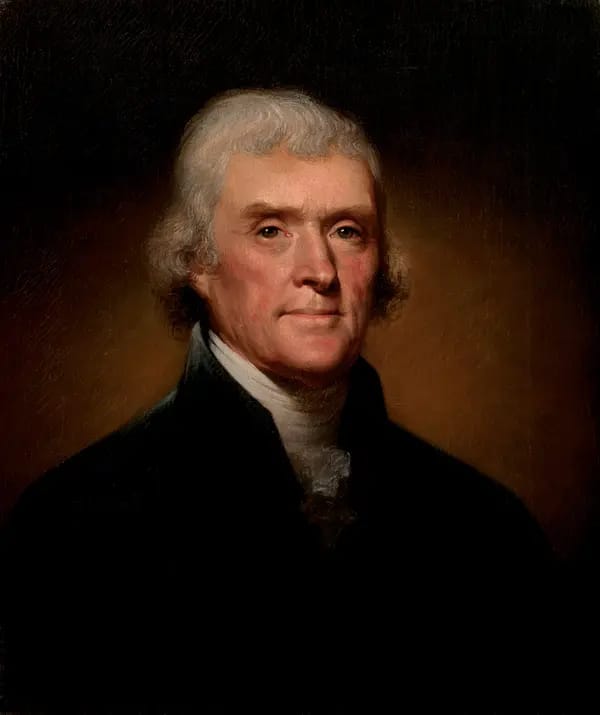 |
Both extenders so far have been one-week budget extenders, a change from past years when Governor Kathy Hochul only authorized two or three-day extenders in order to hold legislators’ feet to the fire as negotiations continue. The longer timeframe is a welcome development for rank-and-file members, with Assembly Member Al Stirpe offering, “Maybe they’re trying to be nice to us.” He continued, “We can leave and go back to our districts and actually do something. The worst part is having to just stand around and wait for somebody to say, ‘Well, there’s an agreement.’ Us just spending money being here without any chance of accomplishing anything is really not very smart. So in that respect, it’s a good thing we’re doing it this way.” The length of this extender is anyone’s guess, but conventional wisdom over the last few days has been predicting another week. The length of the extender is also an indication of how close—or how far away—negotiations remain.
According to all sources, the Legislature and Executive Chamber have not even begun conversations on dollars and cents—or table targets in budget parlance—instead continuing to work towards closing out the larger policy issues first. The biggest outstanding policy issue is Hochul’s proposed auto insurance regulations, with Senate Deputy Majority Leader Mike Gianaris declaring, “I don’t think we’re close.” Gianaris later added, “One of the reasons we haven’t made a lot of progress is we keep asking for data to justify the claim that fraud is driving higher insurance rates. There is no guarantee in anything she’s proposed that any savings that accrue to the insurance companies will be passed on to consumers at the end of the day.” Hochul took issue with that characterization, telling reporters last week, “It’s not me saying so, it’s proof from other states with the same reforms implemented. They have seen their prices, their premiums, go down. That is what my expectation is, and I’m convinced that will happen. We’re also looking at what we are capping insurance companies at. I don’t want excessive profits made by the insurance companies. I don’t want the trial lawyers lining their pockets from all of these outrageous cases they bring, because you know who is paying for that? Our drivers.” Both sides continue to dig in as they also invest in advertising and sponsorships, a brief glimpse into how many dollars are at stake here. This fight has a few more rounds left to go.
Number two on the policy list? Changes Hochul is looking for regarding New York’s landmark climate law, the Climate Leadership and Community Protection Act (CLCPA). These negotiations remain particularly opaque as Hochul has not officially offered any amendments to the climate law in her proposed budget. The only details we have are an op-ed published in the Empire Report in late March. That said, we know Hochul’s rationale, based on a now-infamous NYSERDA memo, is to spare New Yorkers thousands of dollars a year in higher gas and electric costs. The CLCPA requires electric systems to be zero-emission by 2040. To attain this goal, 70% of the state’s electricity must be generated by renewable energy by 2030, and only zero-emission sources qualify as “renewable energy systems.” Reports indicate that Hochul wants to change the time horizon for measuring the global warming impact from 20 years to 100 years, add additional methods to the list of eligible renewable energy systems, and make additional technical amendments about what qualifies as zero-emission. Some folks argue that this all combines to benefit national gas production. A more in-depth look is here. Also worth a read, Hochul has company in this space.
Do you approve of Governor Hochul’s push to expand nuclear power in New York State? Scroll down to take part in our poll!
As these (and a few others, including SEQRA changes) are resolved, the focus of the two women and a man in a room will turn to fiscal issues. That discussion will start with how much revenue the state has, and while Hochul continues to insist that her new budget will not include new taxes, proponents for increasing taxes on the wealthy are not backing down. A gaggle of protesters confronted her last week at a press conference at the Javits Center. Hochul waved at the protesters and said, “My friends follow me everywhere. What people may not realize, everything I’m doing is focused on trying to put money back in their pockets to make life more affordable in New York. And I will be unrelenting in that quest.”
City Council Speaker Julie Menin provided Hochul some additional political cover, pushing back on New York City Mayor Zohran Mamdani’s assertion that he will be forced to raise property taxes if Albany does not give him the authority to hike income taxes. Speaking at the National Action Network, the social justice advocacy group founded by Al Sharpton, Menin said, “We’re also focused in the City Council on making sure that we are protecting the Black community. And by doing that, I say we have said a hard ‘No’ to raising property taxes by 9.5 percent. That is unacceptable, because if we were to do that, we would be hurting Black communities across our city.”
Mamdani indicated last week that raising property taxes is undesirable but said he is left with no choice in the face of New York City’s looming budget gap, telling reporters, “That it is a path of last resort, one that we will spend every single day looking to avoid as we pursue a path of working with Albany to increase taxes on the wealthiest New Yorkers, the most profitable corporations and end the drain that has characterized the city’s relationship with the state.”

Further complicating budget negotiations is the news that Liz Krueger, Chair of the Senate Finance Committee, suffered a mild stroke earlier this month. Reports indicate that she is recovering and in touch with staff and her colleagues. I first got to know Senator Krueger during her first run for the Senate, and then got to know her better soon thereafter as a volunteer on her ultimately successful Special Election campaign. Few in New York match her wit, wisdom, command of the budget process, or her fidelity and advocacy in support of her beliefs. We wish her a speedy recovery.
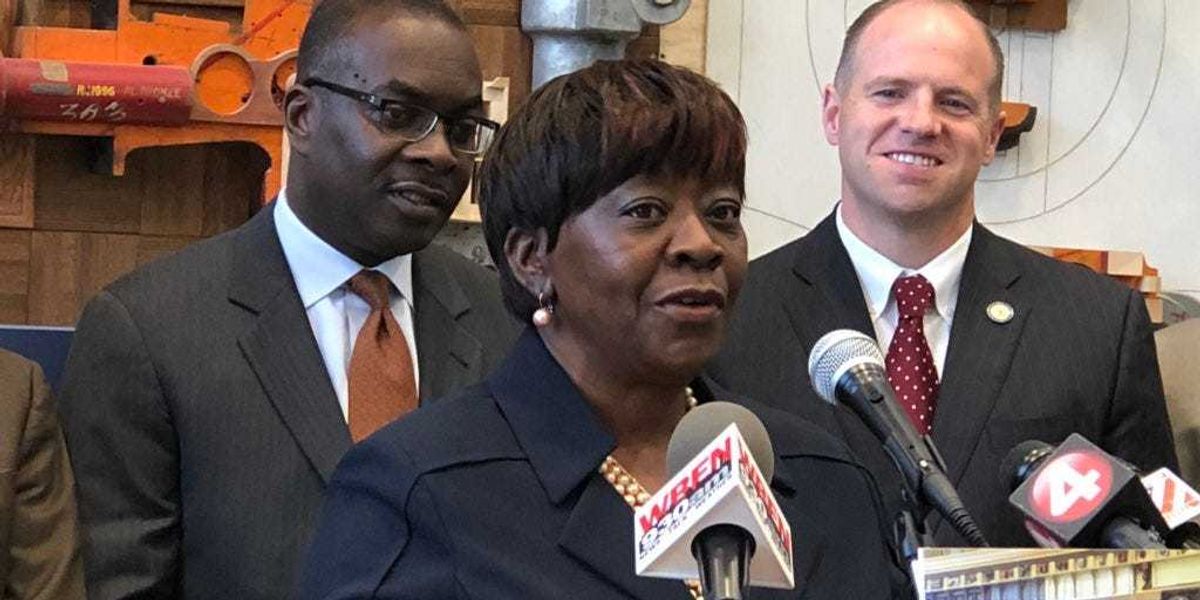
Another point of personal privilege, a well-deserved thank you to Assembly Majority Leader Crystal Peoples-Stokes, who announced last week that she will not be seeking reelection after serving in the Assembly for the past 23 years. I was honored to get to know her during her time in the Erie County Legislature, and I am proud to have worked on her 1998 Congressional campaign, her first race for the Assembly, and her first winning Assembly race. She has been a force in our community and in Albany her entire career. In an age when politicians like to talk, Crystal has always been the kind of leader who listened... and then got something done. I am grateful for her leadership, friendship, and all she has done for New York, especially Western New York. She will serve through the end of the year, but will be sorely missed.
In political news, Republican gubernatorial candidate Bruce Blakeman has filed a lawsuit against the New York State Public Campaign Finance Board (PCFB) and the State Board of Elections (BOE) seeking to overturn his campaign’s disqualification from millions of dollars in public campaign funds. The PCFB disqualified Blakeman in March because his running mate, Madison County Sheriff Todd Hood, failed to submit the required paperwork. However, the Blakeman campaign has argued that his campaign registered in December, and the new state law requiring governor and lieutenant governor candidates to run and file as a single ticket did not take effect until January, nor did anyone inform the campaign about the changing requirements. This continues to be a black eye for Democrats and democracy. If Blakeman’s lawsuit is successful, he could have access to up to $7 million in public financing.
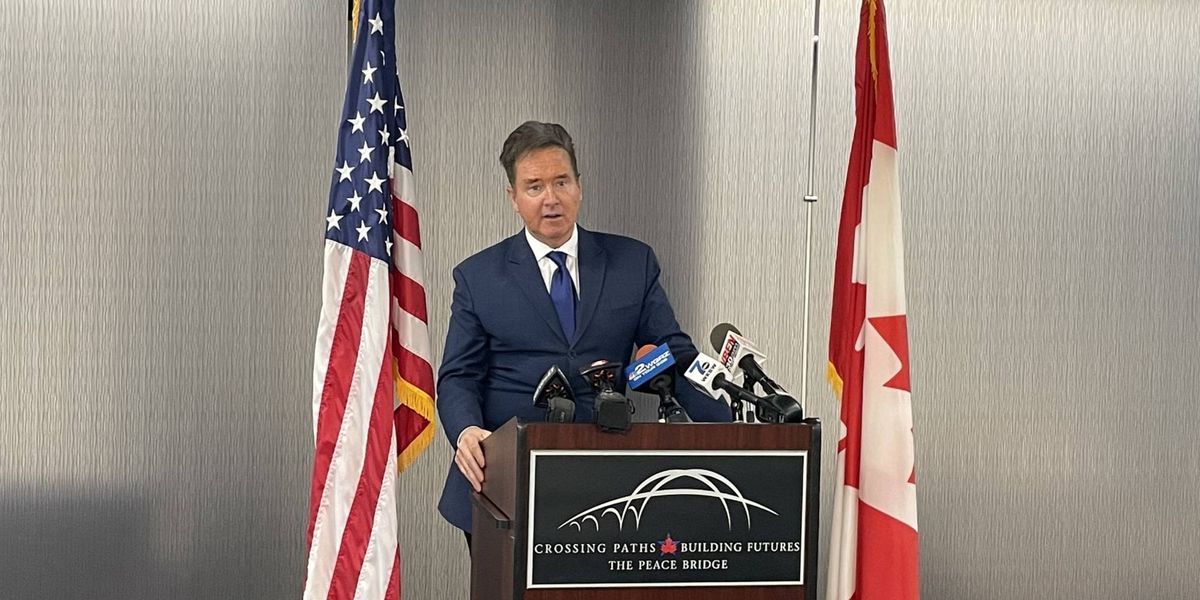
In Washington, D.C., Congress will return to town this week after its 2-week holiday recess, with the main agenda item being a legislative solution to end the ongoing shutdown at the Department of Homeland Security (DHS). As we highlighted in last week’s memo, House Speaker Mike Johnson (R-La.) is facing a revolt from some members over his decision to move forward with the Senate’s proposal to pass an DHS appropriations bill that does not include Border Patrol and ICE, punting the question of funding for those agencies to a reconciliation bill. The House Freedom Caucus, which is vehemently opposed to the two-track plan, posted on social media last week, “We cannot leave ICE and CBP hanging with nothing but hopes and prayers that reconciliation 2.0 comes together. That’s why we must use reconciliation to fully fund all of the Department of Homeland Security.” President Trump eased some of the pressure on Congress in March when he signed an Executive Order to pay all DHS employees, but it is unclear how long that funding arrangement can last without a formal appropriation from Congress. Stay tuned.

Georgia held a Special Runoff Election last week to fill the seat vacated by former Republican Congresswoman Marjorie Taylor Greene. Republican attorney Clay Fuller, Trump’s pick to fill the seat, defeated Democrat Shawn Harris in the 14th Congressional District, giving Mike Johnson slightly more breathing room as he continues to navigate one of the slimmest majorities in history. However, Democrats are finding a silver lining in the results. In 2024, Trump won the district by almost 37 points, and Greene won by about 29 points. Fuller defeated Harris by only 12 points on Tuesday, marking the largest swing against the GOP in seven House special elections during President Donald Trump's second term, compared with the 2024 presidential results. We will see in seven months whether that swing ultimately holds or is enough to change control of Congress. Of course, Democrats continue to have their own problems: a sexual assault scandal in the California governor’s race and a House ethics problem in Florida.
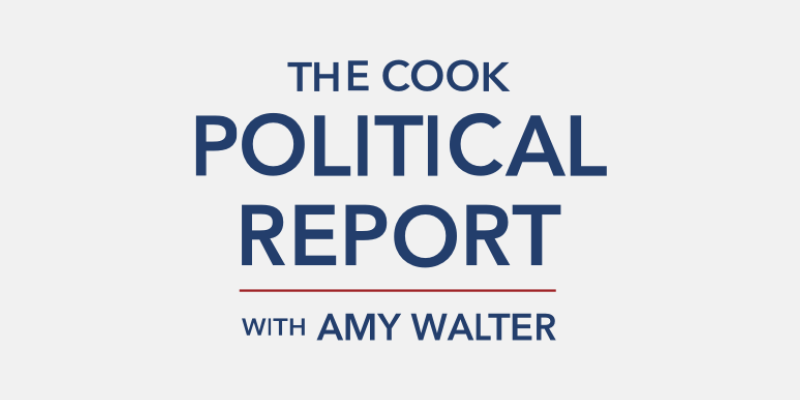
Well done to New York State Commissioner of Labor Robert Reardon for naming the Albany DOL HQ after Frances Perkins. Perkins is an inspiration to many of us.
While some are heading further into space, others are opening a new frontier underwater.
Finally, reports of the death of the world’s oldest tortoise appear to be premature. At 193 years old, you’d think nothing could faze him—but the internet nearly buried him! |  |


 | 🎙️Who could replace AM Peoples-Stokes as Majority Leader? 🎙️Biggest budget fight 🎙️Conflicting NYC polls |

“Meet the Team” is our new podcast series highlighting the people who drive our firm’s success. ICYMI, listen as we go ‘From the Lobby’ with some members of our staff!
 |  |

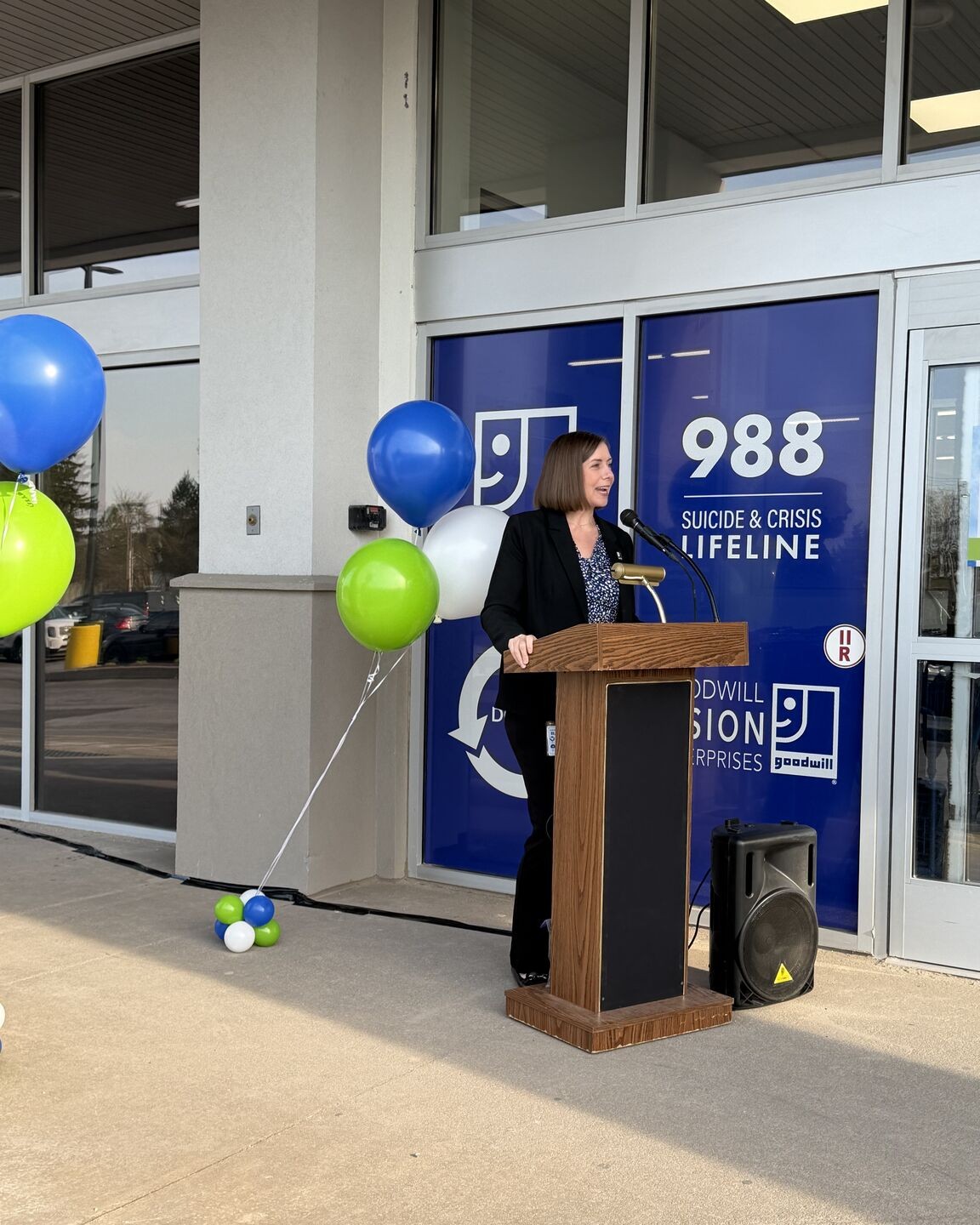

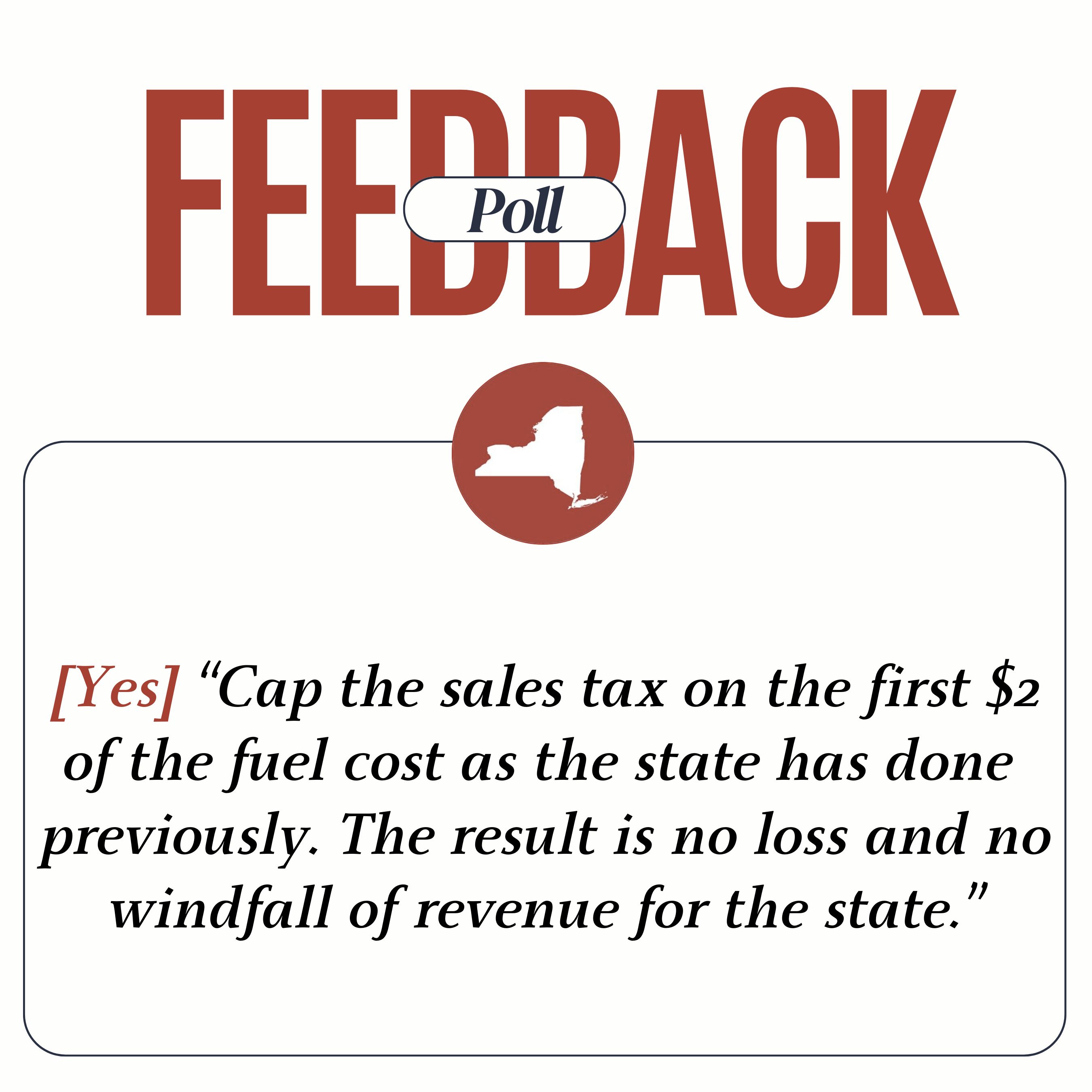
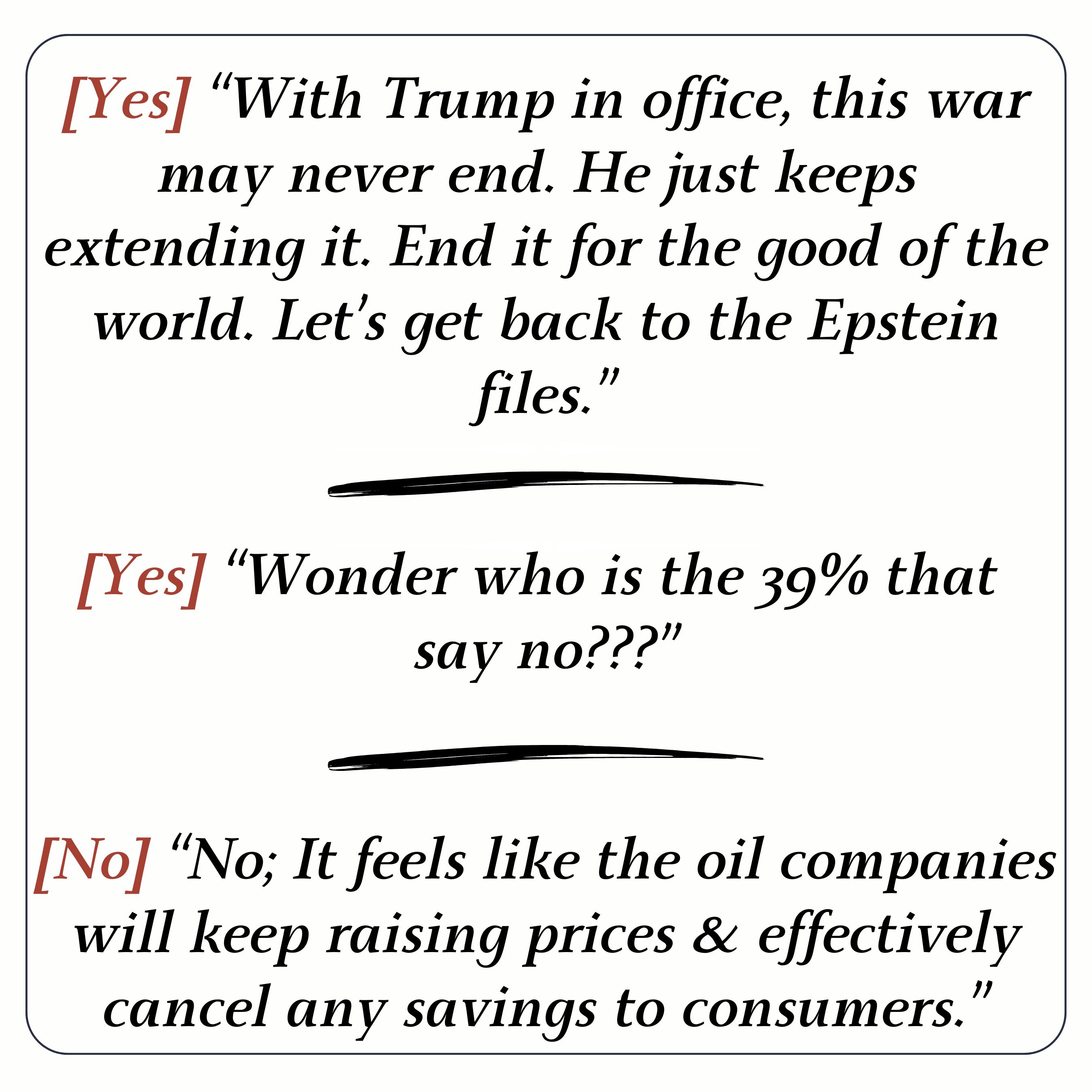
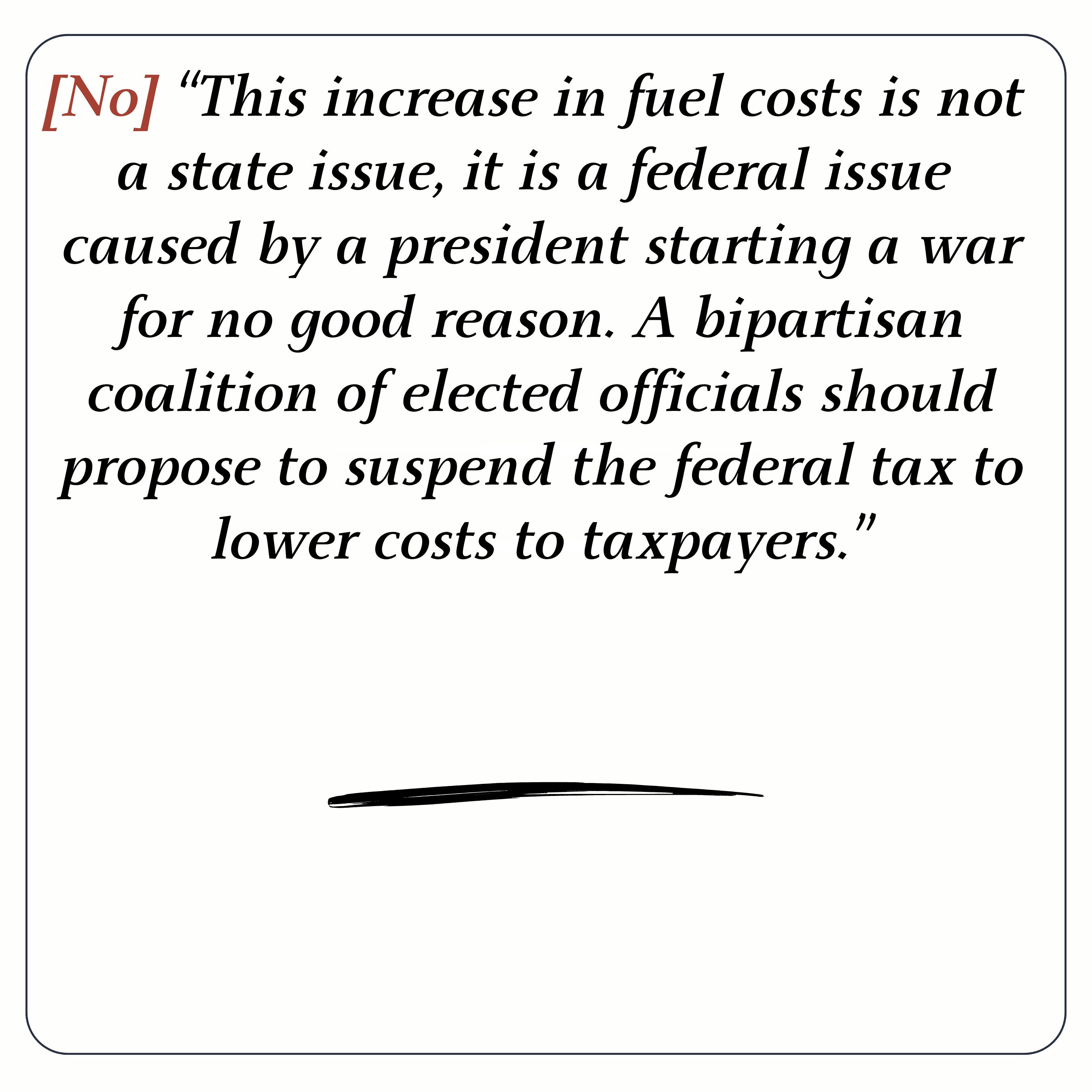
Do you approve of Governor Hochul’s push to expand nuclear power in New York State? |

 |  |  |



April 13, 1943: FDR dedicates the Jefferson Memorial in honor of former President Thomas Jefferson. Calling the memorial a “shrine to freedom,” FDR spoke of the parallels between Jefferson’s challenges in the founding of the republic, and those being experienced at the time by a nation embroiled in a world war. |



 | Best New York Towns For RetirementThe secret to retiring in New York? It’s all about location! Which communities are ranked the best for starting your next chapter? Check out the list! |
Was our Monday Morning Memo forwarded to you? Subscribe here to get it sent right to your inbox.