- Monday Morning Memo
- Posts
- Bottlenecked


Good morning from Albany, where the New York State 2026-2027 Budget is about to be late. Again.
The Legislature passed one important bill—a debt services package of about $10.6 billion—last week, but the wait is on for a budget extender bill to continue to fund state government (and pay state workers) as an agreement on the remaining budget bills is not close. During the floor debate on that bill, powerful Senate Finance Chair Liz Krueger declared, “I can assure everyone here we will not have budget bills completed before the April 1 deadline.”
The biggest question today is the term of that extension; presumably past Passover, Easter, and Dyngus Day. “Normally it would be for a week,” Assembly Ways and Means Chair J. Gary Pretlow mused during the Assembly floor debate. “But the calendar this year is really working against us in this entire budget process.” Worth noting, state legislators are not paid until the entire budget is passed. Of course, everyone in Albany says a late budget is better than an on-time budget.
With New York lawmakers expected to miss the April 1 budget deadline, how long do you think it will take to finalize a spending plan? Vote in our poll below!
A number of high-profile issues remain, notably Governor Kathy Hochul’s proposals on climate and auto insurance, as well as, to a lesser extent, Hochul’s proposal on building/making changes to the SEQRA process. Deputy Senate Majority Leader Mike Gianaris last week blamed the delay on these non-fiscal issues: “This is the problem when you start inserting non-budget items into the budget. On the numbers, we could wrap this budget up by next week. But the things we’re caught up on are policy debates that don’t really have, strictly speaking, anything to do with the state budget.”

A budget flag for next year? A new report from state Comptroller Tom DiNapoli predicts Wall Street bonuses to come in at 9 percent higher than last year. Good numbers, especially if you work on Wall Street. However, the New York City financial plan envisioned the Wall Street bonus pool to be 15 percent higher, and New York’s Executive proposal predicted it would be 26 percent higher. “This is good news,” DiNapoli said. “It doesn't mean it's great news, because the city and the state were anticipating an increase in the bonus pool, and actually, the numbers we have are probably just a little bit shy of what had been initially anticipated.” More of a next year problem. Another concern? The Comptroller found that New York’s securities industry continues to lose workers. After a 30-year high of 201,500 employees in 2024, the state clocked 198,200 workers in that sector last year.
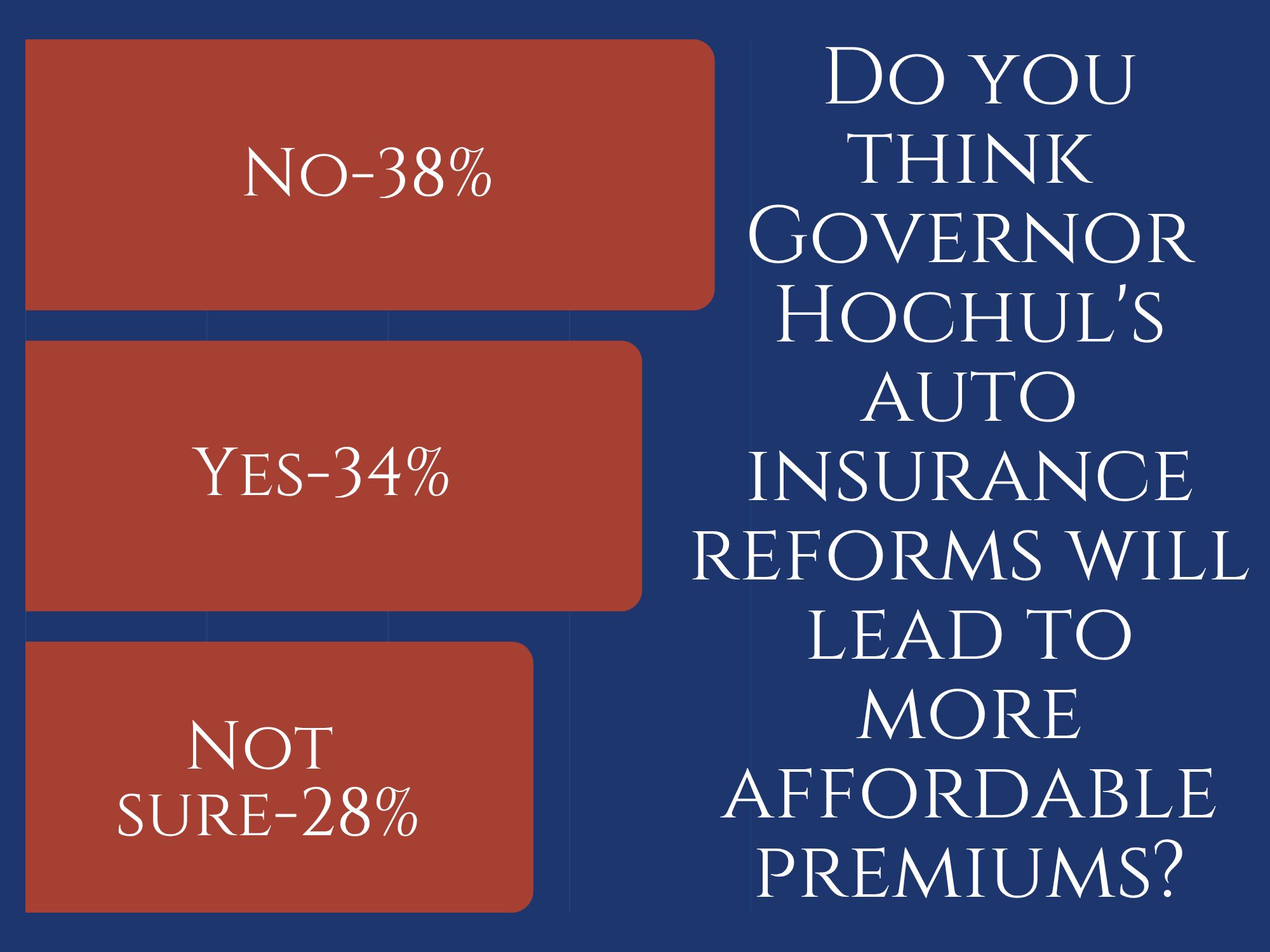
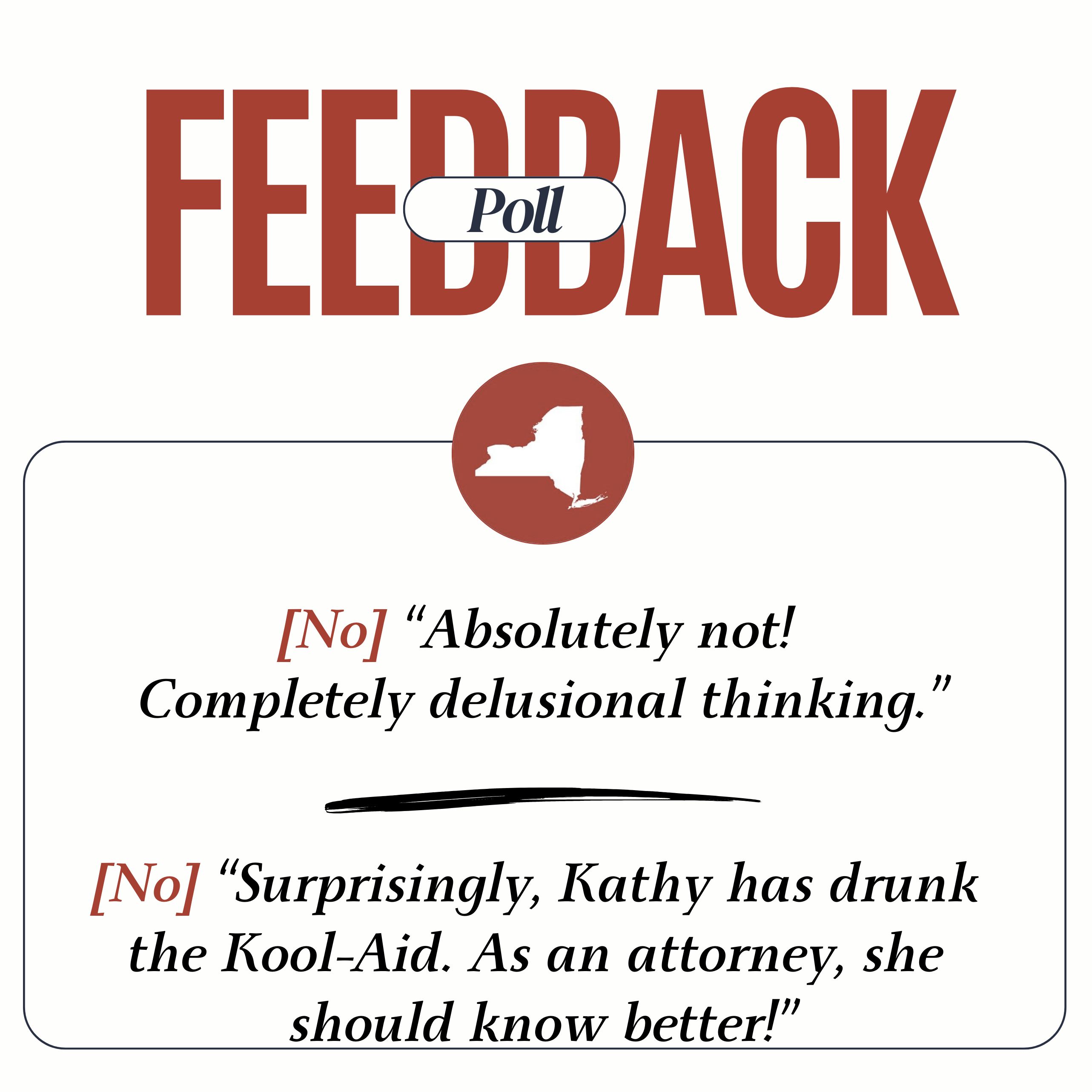
Last week, we asked Memo readers if they think Governor Hochul’s auto insurance reforms will lead to more affordable premiums. Scroll down for results and comments!
Back to this year, one of the key sticking points continues to be Hochul’s proposal to crack down on auto insurance fraud in the hopes of driving down premiums for New Yorkers. The New York Trial Lawyers Association remains in staunch opposition, arguing that the proposal will “take away New Yorkers’ rights to fair and adequate compensation,” and that insurance companies will not pass savings on to consumers. Despite the intense opposition from outside groups and many in the legislature, the proposal is a key tenet of Hochul’s affordability agenda, and she does not appear to be backing down. A Hochul spokesperson said, “Governor Hochul is committed to enhancing safety on New York's roads and driving down the exorbitant costs of auto insurance for everyone. Governor Hochul's plan will bring down costs, hold bad actors accountable, and put an end to fraudulent stunts that put people in harm's way.” Democrats in the Senate have a more nuanced view, according to Deputy Leader Gianaris, and are worried about a ripple effect: “Some of the solutions that have been advanced might encourage insurance companies to claim fraud on just about every claim because that would allow them to withhold payments from what I gathered from the governor’s proposal.” More to come.
Hochul and her colleagues in the legislature remain divided on rollbacks of the state’s flagship 2019 Climate Leadership & Community Protection Act (CLCPA) amid soaring utility prices. Hochul has argued that changes are needed to address affordability concerns and has proposed changing how the state accounts for methane gas emissions and pushing the deadline for cap-and-invest guidelines to 2030. In an op-ed earlier this month, Hochul wrote, “These impossible emission reduction targets… only used by NY and one other state… will ensure our failure despite all of our efforts and billions of dollars spent.”
Environmental advocates and their allies in the legislature are not convinced that changes to the law are necessary, with Assembly Environmental Conservation Committee Chair Deborah Glick offering, “You cannot change science, and the issue of the accounting method, regardless of whether it is consistent with other states or, even an international body, the science has advanced.”

One area where Hochul and environmentalists agree is the need to reform New York’s State Environmental Quality Review Act (SEQRA) to spur multi-unit housing development. At a roundtable on the issue last week, Hochul offered, “For too long, red tape has stood in the way of communities building the housing and infrastructure that New Yorkers desperately need. That’s why this year, I proposed that when a community says yes to housing and to critical infrastructure like clean water and childcare facilities, we are going to let them build.” In further evidence that Albany creates strange bedfellows, proponents of Hochul’s SEQRA reforms include Earthjustice, Citizens Budget Commission, the Real Estate Board of New York (REBNY), the Regional Plan Association, and New York City Mayor Zohran Mamdani. Elizabeth Moran, a policy advocate at Earthjustice, said, “We can do both. We can build more housing, and we can protect the environment,” while Andrew Rein, the president at the Citizens Budget Commission, offered, “We’re talking about here modestly sized, multi-unit housing, up to 500 units in the city on the governor’s proposal, up to 100 units outside the city, and this is not in green, field sites previously disturbed or developed sites.” The Senate’s proposal is more expansive, allowing a greater number of housing units to be subject to the reformed SEQRA guidelines, while the Assembly's proposal includes a new prevailing wage requirement and sunsets the reforms in 2029. Stay tuned to see where they land in the final budget.

Other issues that still need to be ironed out include New York City’s looming $5.4 billion budget gap, with Mamdani and his progressive allies in the legislature pushing for increases in corporate and personal income taxes. Hochul has insisted there will be no tax increases, but is committed to working with Mamdani to plug the budget gap, saying last week, “We’ll also find a path to help the city.” Hochul is also working with the legislature to find a mutually agreeable package of bills to codify immigrant protections and combat what they see as federal overreach. Among the measures being considered are a ban on formal cooperation agreements between local law enforcement agencies and U.S. Immigration and Customs Enforcement, known as 287(g) agreements; prohibiting federal immigration authorities from entering sensitive locations like schools, hospitals, and houses of worship; and the creation of a law to allow New Yorkers to sue federal immigration officers for alleged violations of their civil rights.
To make the case for her desired policy proposals, Hochul has been traversing the state and holding rallies in Buffalo, Rochester, Syracuse, and Long Island. The rallies have promoted her “Let Them Build” agenda, focusing primarily on affordability, expediting housing development, and increasing access to childcare.

In election news, the U.S. Supreme Court declined to hear a case challenging the constitutionality of a New York law that moves almost all local elections to even-numbered years to align with federal election cycles. The law was originally passed in 2023, with proponents arguing that streamlined elections would reduce costs for municipalities and increase turnout for local races. The Supreme Court was the last hope for Republicans seeking to invalidate the law, after the New York Court of Appeals affirmed its constitutionality in October. Senator James Skoufis, the author of the law, offered last week, “Democracy won today—again—and every Republican who set their constituents’ money on fire as they waged this pathetic, no-chance effort owes their taxpayers an apology.”
In Washington, D.C., the six-week shutdown of the Department of Homeland Security is set to drag on after House Republicans rejected a Senate bill that would have funded most DHS agencies, including TSA, through September. Instead of getting his conference on board with the Senate plan, Johnson proposed a temporary extension of all DHS funding through May 22nd, which faces uncertain prospects in both the House and Senate. Speaking to reporters, Johnson said, “The Republicans are not going to be any part of any effort to reopen our borders or to stop immigration enforcement. We are going to deport dangerous criminal illegal aliens because it is a basic function of the government. The Democrats fundamentally disagree.”
Both chambers of Congress are out of Washington for a scheduled two-week recess, meaning the partial shutdown will drag on at least that long unless Senate Majority Leader John Thune takes the unusual and unlikely step of calling Senators back to vote on the House bill. Rather than mediating the dispute between his allies in different branches of Congress, on Friday, Trump issued a presidential memorandum directing newly appointed Homeland Security Secretary Markwayne Mullin to work with the Office of Management and Budget to pay TSA employees, though leadership at the agency has warned it may be too late to stave off lasting damage. Nearly 500 employees have quit since the shutdown began, and TSA will not have enough time to train additional screeners before the FIFA World Cup, scheduled to kick off in less than 80 days. As discussed in our latest ‘From the Lobby’ podcast, when the public starts to feel the pain, politicians act, though it remains unclear when the impact of that move will be felt at airports.
Also worth noting, my TSA experience at Buffalo Niagara International Airport yesterday was fast and smooth.

In Florida, Democrats flipped two legislative seats in last week’s special election, including the state House district in Palm Beach County that includes Trump’s home of Mar-a-Lago. Emily Gregory, a first-time candidate with a background in public health and mental health administration, defeated Republican Jon Maples, a financial planner who previously held a local council seat. The victory will not change the Florida Legislature's Republican supermajority, but will certainly energize Democrats heading into November’s midterm election. While Democrats have traditionally overperformed in special elections, the GOP incumbent—then-state Rep. Mike Caruso—won the House District 87 by 19 points in 2024. A nice victory for Democrats.
Finally, a diaper-wearing kangaroo is on the run in Wisconsin. Startled by two barking dogs, Chesney cleared the fence at a petting zoo and has been spotted bouncing all over town, but so far, has eluded capture. Read on! |  |


 | 🎙️Climate/immigration debate 🎙️Mamdani’s new strategy 🎙️Lawler’s limos & Blakeman’s struggles |
“Meet the Team” is our new podcast series highlighting the people who drive our firm’s success. This week, we’re introducing you to the newest face on the OD&A staff, Peter McGowan!
The WNY native, experienced in campaigns and government relations, is already in the mix in Albany. We get into: 🎙️When this career path first clicked for him 🎙️How government decisions actually happen 🎙️Life in Albany 🎙️Movie obsession & favorite sports teams |  |
 |  |




With New York lawmakers expected to miss the April 1 budget deadline, how long do you think it will take to finalize a spending plan? |

 |  |  |



March 30, 1981: President Ronald Reagan is shot and wounded in an assassination attempt by John Hinckley, Jr; three others, including press secretary James Brady, are also wounded. Take a look back here. Watch here how it changed presidential security. | 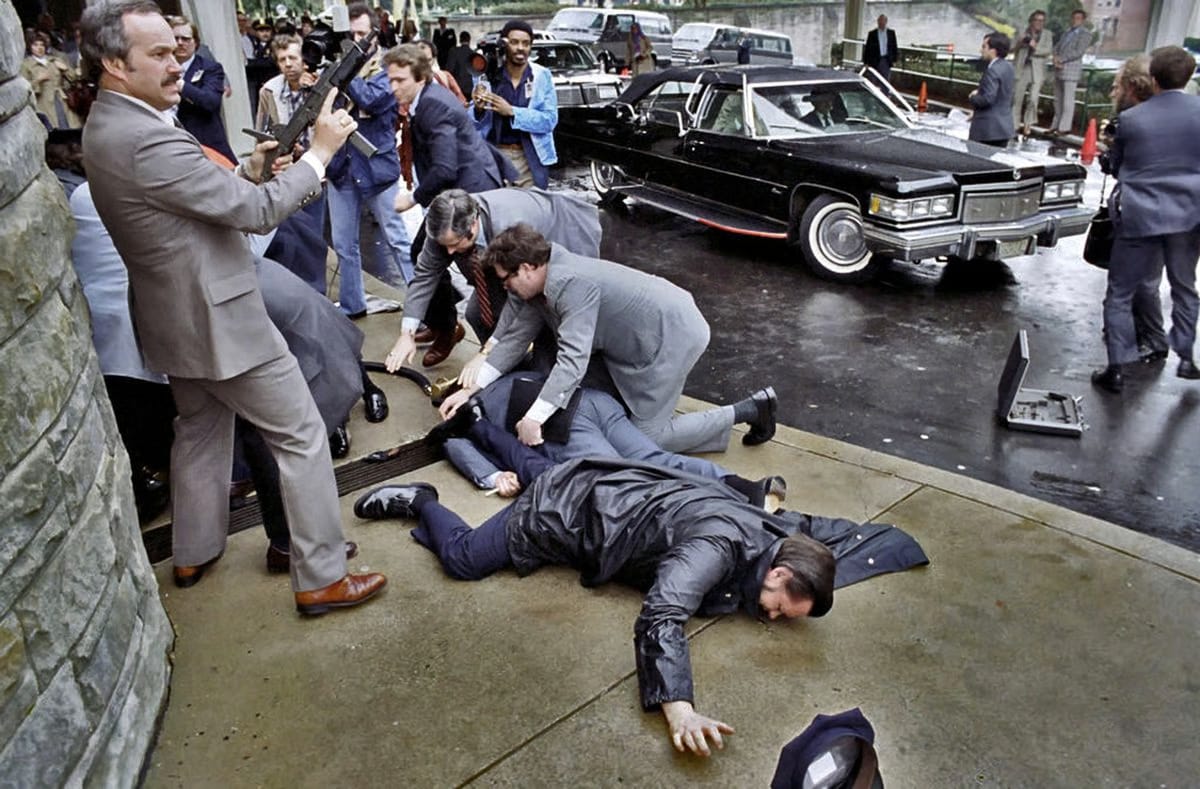 Photo courtesy of Reagan Library |


 | 26 New York State Trip IdeasWant to get away without leaving New York State? Here is a list of must-see trips and can’t-miss events in 2026. |
Was our Monday Morning Memo forwarded to you? Subscribe here to get it sent right to your inbox.